








- Virgílio Bento's first hire in the US was a chief talent officer, emphasizing the importance of building a strong team over immediate commercial roles.
- Sword Health's journey began during Bento's PhD, driven by personal experiences with his brother's recovery challenges.
- The company spent 12 years developing technology before entering the market, highlighting the complexity of their innovation.
- In 2020, Sword Health secured a $1.5 million contract just four months after launching, marking a significant product-market fit milestone.
- Bento's cold email to Khosla Ventures led to a pivotal Series A funding, showcasing the importance of persistence and strategic outreach.
Terra Podcasts
CEO of Sword Health: Virgílio Bento

Kyriakos EleftheriouHost

Virgílio BentoGuest
September 13, 2023
Key takeaways
In this podcast with Kyriakos the CEO of Terra, Virgílio Bento discusses Sword Health's evolution from a PhD project to a market leader. Bento shares how personal experiences shaped his mission and how a strategic email to Khosla Ventures secured crucial Series A funding. He reveals how Sword Health achieved product-market fit by landing a $1.5 million contract within months of launching in 2020. Listen to learn about the challenges and breakthroughs that defined their journey.
Developing Sword Health from a PhD project
Kyriakos
Virgílio, it's good to see you. Excited to have you on this podcast. I wanted to start this conversation about the prehistory. What have you been doing before Sword Health and how did you come up with the idea?
Virgílio
I started developing the technology behind Sword during my PhD in electrical engineering. The reason I focused on building this technology was because I felt the challenges families face when recovering a loved one. I saw it with my brother and the challenges my parents faced. When I started my PhD, the goal was to get funding to develop the technology. In Europe, especially in Portugal, it was impossible to get investment just with an idea. So, I wrote a research grant that was approved, and the PhD was an unintended consequence of getting the funding needed.
Kyriakos
So you spent four years raising grants before getting it to the market?
Virgílio
Yes, my first development happened during my PhD with a research grant of roughly $100,000. We had IP, a technology, a product to demo, and clinical evaluation. This allowed us to get our first seed investment of $150,000, followed by $250,000, and then $400,000. We also got a $1 million research grant from the European Commission, which accelerated us. We were scrapping for any money we could get because of where we were born, but it made us a stronger company with a strong culture.
Shifting from research to startup mindset
Kyriakos
What was the product like initially, and how did your pitch change when raising grants versus seed funding?
Virgílio
It was a massive change. A research grant focuses on increasing knowledge, while startups focus on market access. During my PhD, I was precise about everything, but in the startup world, it's about approximations and de-risking market access. It took me years to adjust, especially in Europe where mentors are scarce.
Kyriakos
How did you meet your first seed investor?
Virgílio
I did a TEDx talk about why we built what we built, and my personal motivations. That was the hook for him to approach me and say he wanted to invest. I was ecstatic because it was the first time someone wanted to invest in us.
Pivoting to become a healthcare provider
Kyriakos
Once you raised that funding, what did you do?
Virgílio
We hired more people to accelerate development. Initially, we deployed a solution for PT clinics, but realized we needed to become the provider to have the impact we wanted. We shifted from selling to providers to targeting the buyers who had the problem we were solving.
Kyriakos
Did that require a lot of product change?
Virgílio
It wasn't a significant product change. We were already developing tools for an external clinical team, and now our internal team used them, which accelerated optimization and product market fit.
Achieving product market fit and growth
Kyriakos
Was there a moment you realized you had product market fit?
Virgílio
Yes, when we launched in January 2020 and got our first client in May with a $1.5 million contract, followed by a $4 million client at the end of the year. Those were clear indicators of product market fit.
Kyriakos
How did you meet Vinod Khosla?
Virgílio
I sent a cold email to Khosla Ventures, knowing they were contrarian and focused on science. Surprisingly, I got a reply, and after a few calls, they decided to invest. It was the first time someone saw our potential, and it changed everything for us.
Building a team and culture in the US
Kyriakos
After raising the round from Vinod, what were the next steps?
Virgílio
We set up a team in the US, and my first hire was a chief talent officer to help build the team. It was strategic to focus on talent rather than commercial or marketing officers. COVID allowed us to catch up and be ready for the market.
Kyriakos
How did you meet your chief talent officer?
Virgílio
Through Khosla Ventures. Good VCs provide access to talent, which is crucial because our bottleneck is not capital but talent.
Philosophy on hiring and management
Kyriakos
What's your philosophy on hiring early-stage folks versus established profiles?
Virgílio
I prefer hiring high-potential individuals who haven't yet proven themselves. They have the drive and energy to do their best work. Established profiles might not have the same drive. It's riskier, but when it works, it's highly rewarding.
Kyriakos
How do you judge drive and skills in interviews?
Virgílio
I delve into specific projects they've led, peeling back layers to see if they were hands-on or just delegating. It's about understanding how they solve problems and their sense of urgency.
Expanding product offerings and market reach
Kyriakos
How did you grow from $2 million to $100 million in ARR?
Virgílio
We optimized our solutions based on client feedback and launched new solutions to expand our addressable market. We listen to our members and stay updated with scientific developments to connect dots and innovate.
Kyriakos
How do you enable your team to listen to users?
Virgílio
Everyone has access to member feedback, and we foster a culture of experimentation and innovation. I personally talk to members weekly to understand what we can improve.
Long-term vision and impact
Kyriakos
What should we expect in the next five years?
Virgílio
We aim to be the solution to pain, preventing problems before they occur. We want to be the first go-to solution for pain, moving away from surgeries and painkillers. It will take time, but that's our goal.
Kyriakos
Incredible. Virgílio, thanks so much.
Virgílio
Thank you.
Get new Terra Podcast episodes and insights as soon as they're released.
By continuing, I agree to the Privacy Policy and Terms of Service.
Continue listening
 Paul McCullough
Co-Founder of O2X Human Performance: Phil McCullough
O2X Human Performance, the Boston-based organization providing comprehensive science-backed programs to elite sports teams, federal agencies, and the military.
October 30, 2023
 Phil Southerland
Founder and CEO of Supersapiens: Phil Southerland
In this podcast, we connected with Phil Southerland, founder and CEO of Supersapiens, who is building the future of human performance through real-time glucose insights.
October 4, 2023
 Niko Bonatsos
Niko Bonatsos: The Journey with General Catalyst
In this podcast, we connected with Niko Bonatsos, managing director at the renowned venture capital firm General Catalyst and early investor in Terra.For the podcast:
August 31, 2023
 Ray Maker
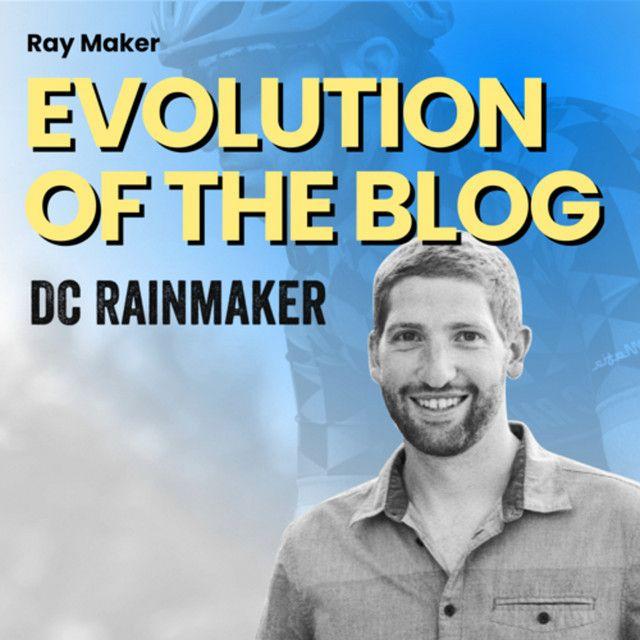
Ray Maker: The journey of DC Rainmaker
In this podcast, we connected with Ray Maker, aka DC Rainmaker, discussing the story of one of the most well-known blogs and Youtube channels in the wearable and sensor
August 22, 2023